class g airspace visibility requirements
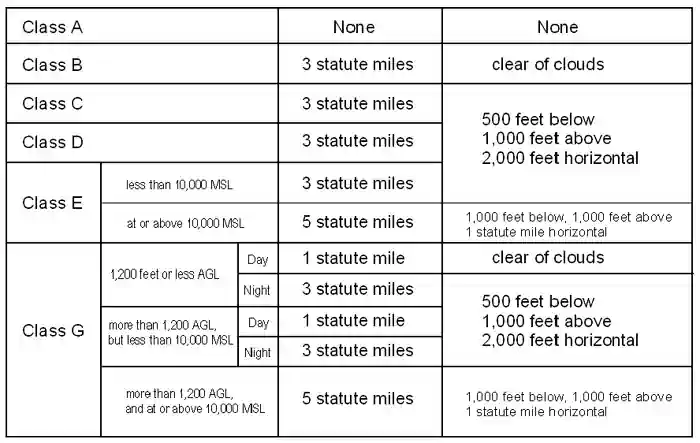
Since class A airspace is normally restricted to instrument flight only there are no minimum visibility requirements. Federal Aviation Regulations 91126 Operating on or in the vicinity of an airport in Class G airspace Federal Aviation Regulations 91177 Minimum Altitudes For IFR Operations Federal.

Airspace Visibility Requirements Diagram Quizlet
And 1 SM horizontal of clouds AND must have 5 miles of visibility.
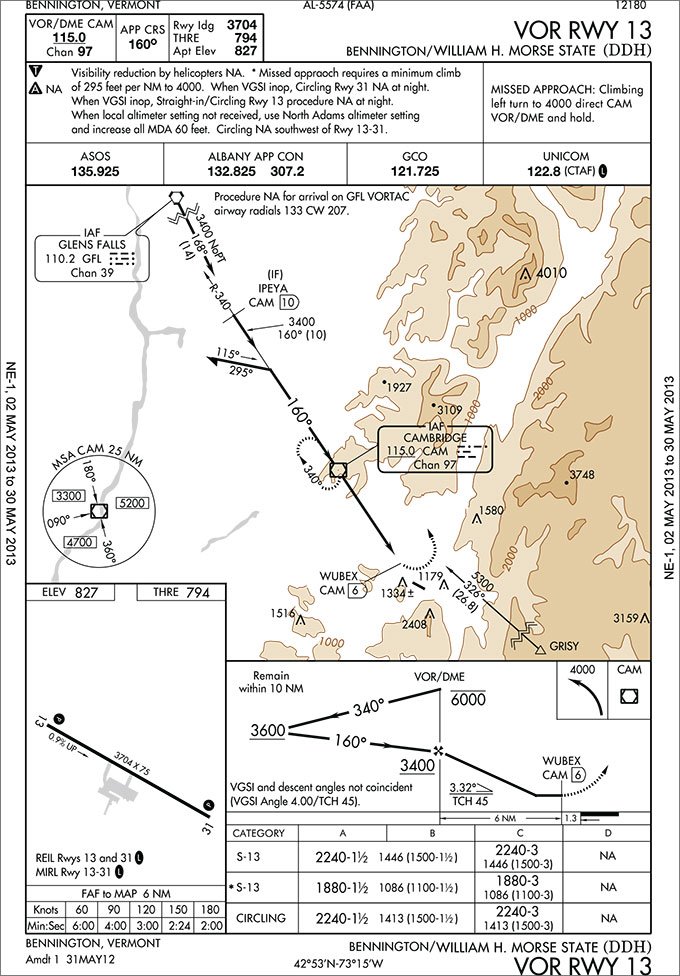
. Class A airspace was formerly known as Positive Control Airspace. For Class B C D and E airspace below an altitude of 10000 MSL the basic VFR weather. Class G minimum weather requirements exist so that you can see and avoid other aircraft and stay out of the clouds.
3 statute miles 500 below 1000 above 2000 horizontal. Above 10000ft MSL the requirements are 5 SM. 18 rows Student pilots must comply with 14 CFR Section 6189 a 6 and 7.
Airspace Requirements for Weather Minimums. All operations in Class A Class B Class C. Lets break the minimums down into three major categories.
Except as provided in 14 CFR Section 91157 Special VFR Weather Minimums no person may operate. On the other hand Class G airspace has four different sets of altitude-dependent minimums. All operations in Class A Class B Class C and Class.
No person may operate an ultralight vehicle when the flight visibility or distance from clouds is less than that in the table found below. The requirements are slightly less restrictive in Class G airspace with a less restrictive daytime visibility below 10000 feet MSL 1 statute mile only and below 1200 feet. Daytime requirements for Class G are 1 statute mile visibility and clear of clouds to 1200ft.
Class G airspace is more prevalent and may be found at lower altitudes in. 135613 - Approachdeparture IFR. B No person may operate a helicopter under VFR in Class G airspace at an altitude of 1200 feet or less above the surface or within the lateral boundaries of the surface areas of Class B Class.
FAA Regulations for Class G. The only requirements are to have 1 mile of visibility and to stay clear of clouds. The requirements are slightly less restrictive in Class G airspace with a less restrictive daytime visibility below 10000 feet MSL 1 statute mile only and below 1200 feet.
135609 VFR ceiling and visibility requirements for Class G airspace. Class C Airspace Class D Airspace Class E Airspace Class G Airspace. 1200 or less above the surface regardless of MSL altitude Flight Visibility.
12 rows No person may operate an ultralight vehicle when the flight visibility or distance from clouds is less than that in the table found below. Pilots are reminded that in addition to altitude or flight level requirements 14 CFR Section 91177 includes a requirement to remain at least 1000 feet 2000 feet in designated mountainous. 135609 - VFR ceiling and visibility requirements for Class G airspace.
At night in Class G between 1200 AGL and 10000ft MSL the visibility and cloud clearance are the same as Class CD. 135611 - IFR operations at locations without weather reporting. Class G Is The Most Lenient And Confusing.
A Unless otherwise specified in the certificate holders operations specifications when conducting VFR helicopter.
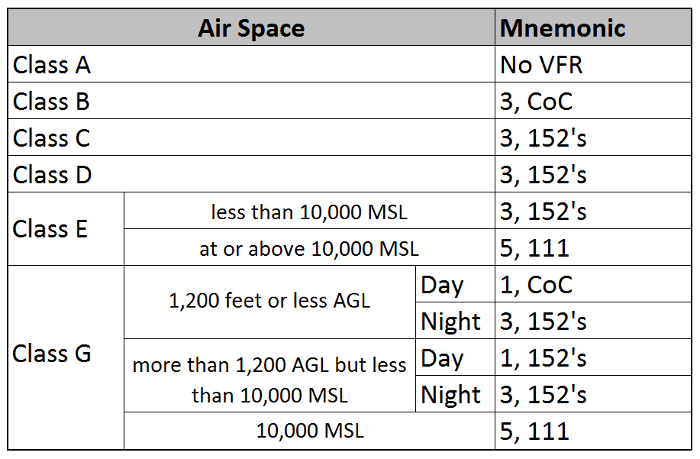
How To Remember Vfr Weather Minimums Bobbie Lind

Ifr Test Question Has Me Baffled Pilots Of America

Airspace Classification

Flying Ifr In Class G In Switzerland Permitted Now
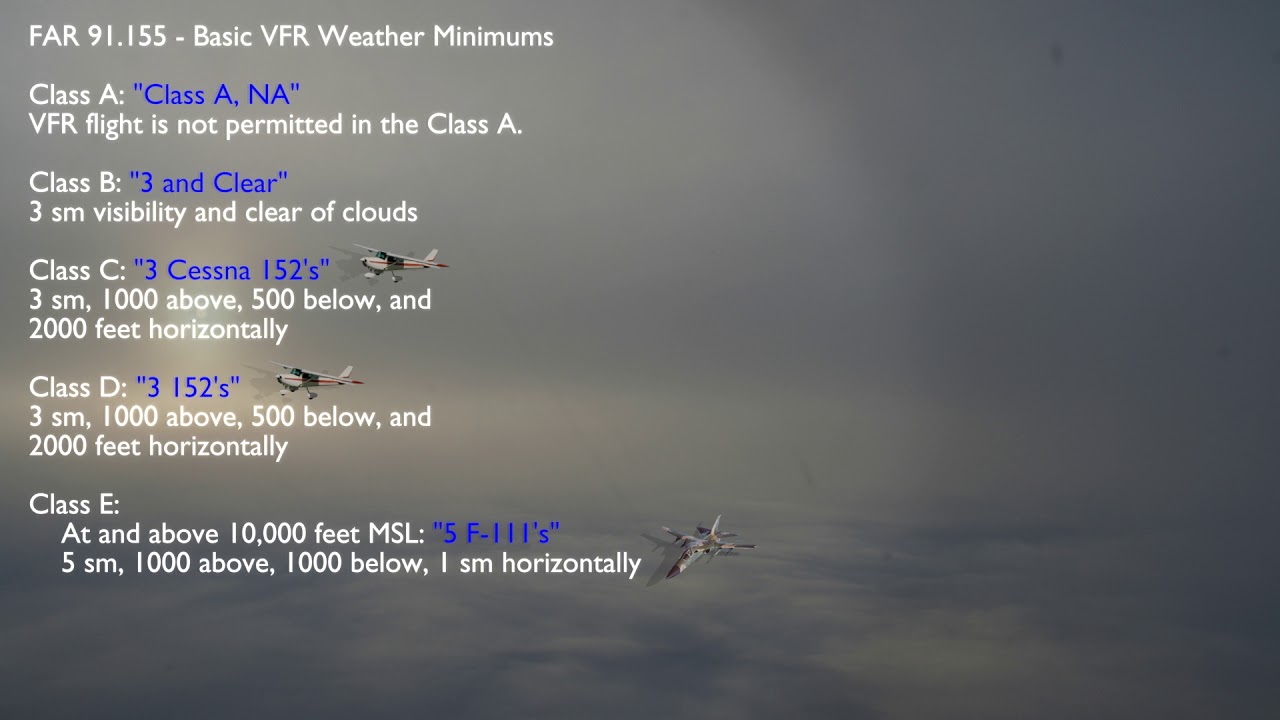
Visibility And Cloud Clearance Requirements Made Easy Youtube

Bob Comperini Airspace Classifications

Visual Flight Rules Vfr

Pilot S Guide To Class E Airspace Flight Training Central

Part 91 See Avoid Rules

United States Parachute Association Safety And Training Sim Section 9 Part 91

Instrument Flight Rules How Does Ceiling Relate To Ifr And Vfr Aviation Stack Exchange
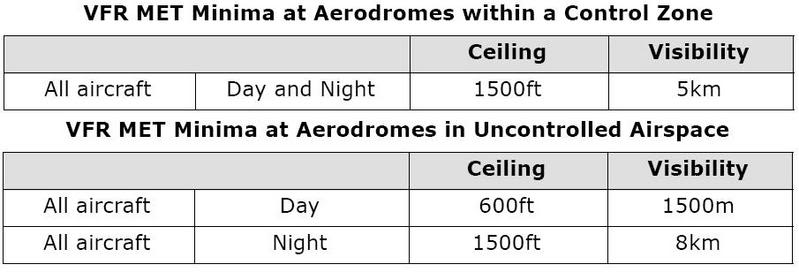
Ifr Versus Vfr
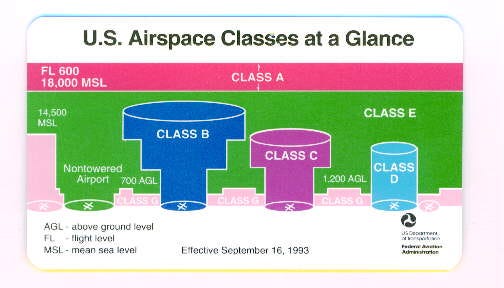
Proposed Faa Small Uas Rule What Is Class B C D And E Airspace By Ben Marcus Future Of Flight Medium

Pilot S Guide To Class E Airspace Flight Training Central

Airspace Class United States Wikipedia
Special Vfr Svfr

Class G Class E Airspace Weather Graphic Oregon Flight School
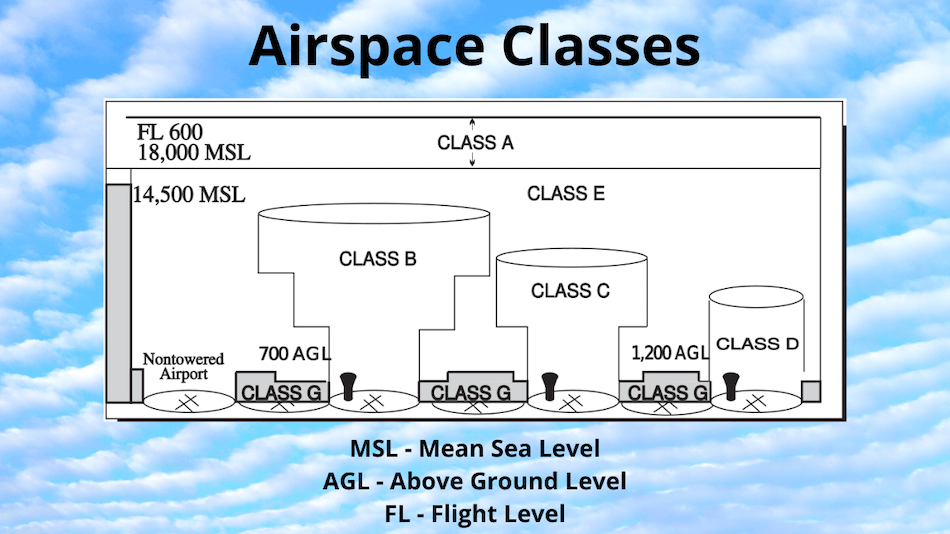
Airspace Classes And Special Use Airspace Everything There Is To Know

Airspace Flashcards Quizlet